Skip to content


July can feel like a reset point for many mortgage brokers. The first half of the year is behind you, summer schedules are in motion, and the pressure of year-end renewals may still feel far away.
But in compliance, July decisions have a way of resurfacing later.
A missed update, delayed documentation, unresolved licensing item, or unfinished corrective action may not seem urgent during the summer. By December, that same issue can become part of a renewal problem, audit concern, regulator question, or internal scramble.
The truth is simple: summer gaps do not disappear. They usually come back when the business has less time and more pressure.
Here are three reasons July mistakes often show up again at year-end.
1. Backlogs Build Quietly
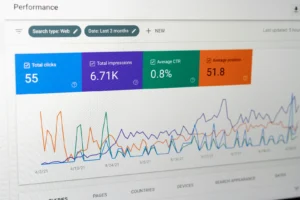
Compliance backlogs rarely happen all at once. They usually start with small delays.
A file review is pushed to next week. A policy update is left for later. A licensing task is waiting on one more document. A report needs a final review. A training item is assigned but not completed.
In July, these items may feel manageable. But when teams are rotating through PTO and business routines are lighter, small delays can stack quickly.
By December, brokers may be dealing with renewals, year-end reporting, internal clean-up, financial reviews, staffing changes, and regulator deadlines all at the same time. What was once a short task list can turn into a stressful backlog.
The best way to reduce year-end pressure is to prevent the backlog from forming in the first place.
2. Incomplete Records Create Renewal Friction

Renewal season depends heavily on accurate records. Brokers may need to confirm licensing information, branch details, financial records, ownership information, disclosure responses, individual sponsorships, company updates, and compliance documentation.
If records were not maintained properly during the summer, renewal preparation becomes harder.
For example, if a compliance decision was made verbally but never documented, the company may struggle to support it later. If a licensing change was discussed but not completed, the issue may surface during renewal review. If advertising approvals, complaint logs, or file review notes are incomplete, the company may have to spend extra time reconstructing what happened.
That is where risk increases.
Regulators and licensing systems generally rely on what can be documented, not what a company intended to do. Accurate records help brokers move through renewal season with more confidence and fewer surprises.
3. Uncorrected Issues Become Repeat Problems

One of the biggest compliance risks is not identifying an issue. It is identifying an issue and failing to correct it.
During the summer, teams may spot a missing document, outdated procedure, reporting inconsistency, licensing concern, or training gap. If that issue is not assigned, tracked, corrected, and documented, it can resurface later as an unresolved concern.
By December, unresolved items can become more serious because they may appear as repeat problems or signs of weak oversight.
This is especially important for brokers who had prior exam findings, regulator questions, complaint concerns, or reporting issues earlier in the year. If the company cannot show that it corrected the issue and strengthened the process, the concern may carry forward into renewal season or future reviews.
Corrective action should never live only in conversation. It should be documented, assigned, completed, and retained.
Why July Discipline Matters

Strong compliance is not just about responding when deadlines are close. It is about maintaining steady habits throughout the year.
July is a critical month because it sits far enough from year-end that issues may not feel urgent, but close enough that delays can create real pressure later. Brokers who use July to stay organized are usually in a stronger position when December arrives.
That means reviewing open items, confirming documentation, checking licensing records, cleaning up reporting support, and making sure compliance tasks are not dependent on one person being available.
A disciplined July can lead to a calmer December.
What Brokers Should Review Now

July is a good time to ask practical questions:
- Are there any open compliance items from the first half of the year?
- Have prior filing questions, exam follow-ups, or corrective actions been fully resolved?
- Are licensing and branch records current?
- Are advertising approvals, complaint logs, file reviews, and policy updates properly documented?
- Is someone responsible for tracking each open item through completion?
These questions can help brokers find small issues before they become year-end problems.
SCP Can Help
Strategic Compliance Partners helps mortgage brokers avoid year-end stress by staying disciplined in July. Our team supports brokers with compliance reviews, documentation organization, licensing and reporting support, corrective action tracking, and ongoing compliance management.
Whether your brokerage needs help cleaning up open items, preparing for renewals, or strengthening internal controls before year-end, SCP can help keep the process clear and manageable.
Do not wait until December to fix what can be addressed in July.
Contact SCP today to help your brokerage stay organized, compliant, and prepared.
Email: sales@strategiccompliancepartners.com
Website: strategiccompliancepartners.com
CTA Button Text: Get Ahead of Year-End Compliance